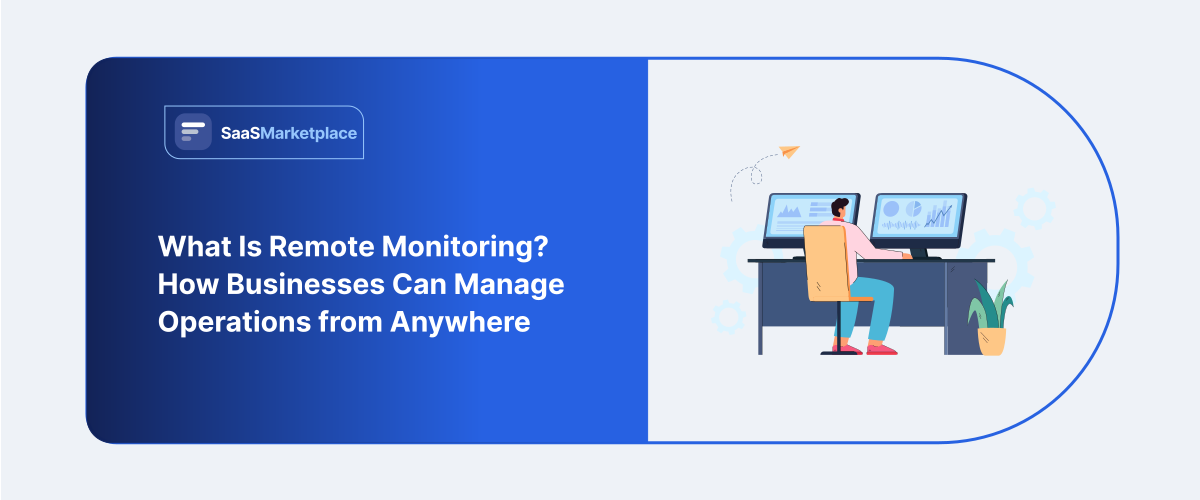
What Is Remote Monitoring? How Businesses Can Manage Operations from Anywhere
-min.jpg)
Running a modern business means you cannot be everywhere at once. Teams are scattered, data lives in the cloud, and devices are everywhere. Owners and IT leads need a smart way to keep an eye on operations without physically sitting in front of every screen or machine. This shift is exactly why remote monitoring has become an absolute necessity for daily corporate survival. It gives you eyes on your entire infrastructure from anywhere in the world.
What is Remote Monitoring?
Strip away the complicated tech jargon for a second. At its core, remote monitoring is simply using smart software to observe, sense, and control networks, computers, or bodily device from a distance. Instead of sending a technician throughout the city simply to test if a server is overheating, automated facts feeds ship real-time health stats at once to a single imperative dashboard.
In the IT world, we usually connect this visibility with actual control tools. This combined setup is known as remote monitoring and management. It lets tech teams spot system glitches and deploy security fixes at the exact same time. By tying these layers together, companies stop waiting for things to crash before fixing them. This active control explains why businesses are shifting budgets toward Remote Access Software right now.
The Industrial and IT Pillars: Understanding RMM and Beyond
To make this work, companies usually split their tracking strategies based on the exact tech they need to watch. For office networks and employee laptops, the go-to framework is remote monitoring & management (RMM). This keeps your digital workspace secure, fast, and stable.
The Technical Framework of RMM
On the ground, remote monitoring & maintenance protocols help IT groups automate tedious, repetitive tasks. Instead of updating software on three hundred computers one by one, an automated script handles it overnight. This mix of remote monitoring & management software allows small IT teams to support huge operations without burning out or hiring more staff.
Strategic Benefits of Remote Monitoring Systems
Investing in an enterprise-grade tracking platform is a pure business decision. Whether you are locking down IT networks or managing patients across RPM Healthcare, the real-world perks are clear:
1. Slashing Overhead Costs
With remote monitoring platforms, companies drastically cut down on travel. Techs don't need to drive out to regional offices just to run basic diagnostic tests. Engineers can troubleshoot issues directly from their central dashboard, saving thousands on travel time and fuel bills.
2. Real-World Value of Patient Tracking
In medical environments, the benefits of remote patient monitoring directly protect hospital budgets. Watching high-risk patients from a remote approach fewer chaotic ER visits and shorter medical stays. Patients live happier at home, and clinics can use their resources where they are most needed.
3. Moving to Proactive Upkeep
Old business models wait for a machine to break down before fixing it. Smart tracking flips that script entirely. By tracking records patterns through the years, software indicators you to put on and take off before an actual shutdown happens. This keeps production traces moving and sales flowing.
Practical Applications Across Different Industries
Here is how these tracking tools actually look in action on a normal business day:
-
The Enterprise Technology Space
Picture a banking firm with twenty regional branches. Instead of hiring twenty separate tech teams, they run a single IT hub with the usage of remote tracking and control software. If a server in a department workplace suggests tough pressure mistakes, the critical hub catches it right away, backs up the files, and schedules a repair before the branch even opens.
-
The Healthcare Sector
In a general virtual patient monitoring scenario, a health facility makes use of a home healthcare remote monitor setup to watch an elderly affected person recuperating from heart surgery. Instead of maintaining them in an expensive hospital bed for a month, they ship them home with a package of linked tools. The medical crew opinions the records each day, tweaks prescriptions on the fly, and keeps the affected person safe without a further office visit.
-
The Critical Infrastructure Arena
Oil and gas organizations use monitoring sensors on pipelines that run through miles of empty, desolate tracts. These sensors watch pressure and float pace each second. If a pipe springs a leak, the system shuts down the valves robotically, saving the surroundings and shielding company property.
Critical Features to Evaluate in Monitoring Software
Shopping around the Remote Monitoring and Management (RMM) Software marketplace calls for an eye fixed for unique functions. The proper machine needs to be combined into your cutting-edge workflow without compromising your protection.
- Lag-Free Data Feeds: Your dashboards need to be replaced with near-zero delay. Old facts lead to slow reactions.
- Smart Alert Thresholds: Pick software that lets you customise indicators. You only need notifications for actual emergencies, not regular history noise.
- Easy Tool Integration: Your tracking app ought to connect easily with your current helpdesk equipment and crew chat systems.
- Top-Tier Encryption: Since you're managing sensitive enterprise documents or personal affected person statistics, sturdy passwords and deep encryption are non-negotiable.
The Strategic Path: Implementing Your Monitoring System
Ready to build your tracking setup? Follow this simple, step-by-step roadmap to keep the transition smooth:
1. Map Out Every Endpoint
Before buying a single software license, list every single asset you own. That means servers, cloud databases, remote laptops, or specialized medical tools.
2. Check Your Compliance Laws
If you manage financial records or scientific profiles, your monitoring techniques need to comply with strict privacy laws like GDPR or HIPAA. Make sure your software saves information securely.
3. Start with a Small Pilot
Do not try to connect your whole global network on day one. Start with a small test group of critical machines. Tweak your alert settings based on real use, and then roll it out to the rest of your business.
The Next Frontier: Predictive Tracking and Edge Computing
The industry is moving past basic dashboards into the world of self-healing networks. Next-gen remote monitoring systems will use machine learning to patch software bugs before a human engineer even notices the threat. In the medical field, virtual patient monitoring setups will use predictive tech to spot tiny shifts in vital signs, catching cardiac risks days before they happen. It turns raw daily numbers into true operational foresight.
Conclusion
Managing a modern business requires eyes that can see past geographic boundaries. By building a solid strategy around remote monitoring, companies protect their tech investments, keep systems online, and cut down on waste.
Whether your aim is to shield an office network with faraway monitoring & upkeep protocols or to improve patient recovery paths with specialized RPM gadgets, the target is exactly the identical: absolute operational clarity from everywhere on the earth. Picking the right tech partners ensures your business remains fast, steady, and equipped for a virtual destiny.
FAQ's
It comes down to action. Standard remote monitoring only observes, watches data and texts you if something looks wrong. However, remote monitoring and management systems go a step further. They let you take control, meaning you can install software, fix bugs, and run scripts remotely to solve the problem instantly.
It is dominating recent business reports because healthcare logistics are changing fast. Hospitals are facing massive staffing shortages and high overhead. Moving care models to automated home networks allows doctors to treat chronic illnesses without needing physical clinic space, making medical care far more scalable.
The boom in medical data has opened up great career tracks. Beyond the doctors and nurses who read the vital feeds, companies are hiring platform integration experts, compliance data auditors, and hardware setup managers who know how to link consumer devices with official medical databases safely.
Most modern remote patient monitoring devices use built-in, secure cellular networks or encrypted Bluetooth connections paired with a home gateway. The data is locked down at the hardware level before it travels anywhere, keeping things completely legal and private.