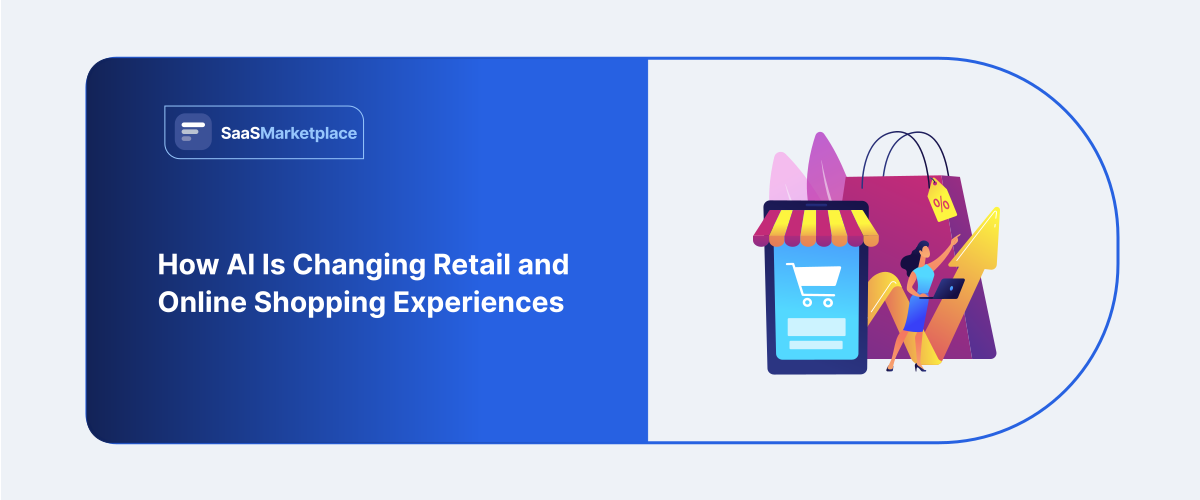
How AI Is Changing Retail and Online Shopping Experiences
-min.jpg)
Shopping in a physical store or browsing a website feels totally different right now compared to just a couple of seasons back. People do not have the patience to dig through massive pages of random products anymore. They refuse to wait around while a store associate searches a messy storage room just to see if a particular size is left on the racks. If your digital storefront or physical aisle feels unorganized, consumers will leave.
They near your tab or stroll out of your doors to search for a faster alternative before you could even go-sell them. This speedy shift in patron conduct forces manufacturers to reconsider how they manipulate their track inventory, forecast market demand, and talk with shoppers. Relying on AI in retail isn't a tech experiment to appear contemporary anymore. It is a baseline operational fact that transforms raw patron statistics into clear, immediate interactions that construct long-term retention.
Understanding the Shift- Artificial Intelligence and Retail
Let's observe how this generation certainly shifts daily work on the store floor.For a long time, standard commerce relied on old records. Store managers looked at sales receipts from last month to see what went well, guessing what stock they might need for the upcoming quarter. This old way of working regularly caused major inventory pile-ups or left shelves completely empty when consumer trends suddenly changed direction.
Using artificial intelligence and retail networks together changes that guessing game into an immediate action plan. When an enterprise connects its frontend data to modern E-commerce Software, the platform does a lot more than just save transactions at the checkout counter. It follows how long an online visitor lingers on a specific image, notices local weather shifts that change what clothes people buy, and monitors supply lines. This structural tracking lets companies adjust their web setups instantly, putting the exact item a buyer needs right in front of them before they even hit the search button.
The Digital Blueprint of Modern Commerce Platforms
To grow an enterprise today, you can't run physical branches and online apps as separate, disconnected networks. They have to work as one integrated system where stock data and user interactions travel naturally between screens. Setting up this framework requires a few specific software tools to do the heavy lifting behind the scenes.
Your primary baseline for web storefronts is your E-commerce Software setup. Current versions of these platforms use predictive data loops to customize layout displays for every separate customer who logs in. If a purchaser typically appears for outdoor equipment on early weekend mornings, the platform shifts its show at once to highlight waterproof boots and running shoes, growing conversion charges without any manual design changes.
For brick-and-mortar storefronts, manufacturers depend heavily on superior Retail Management Software. This backend system organizes the complex logistics of tracking stock counts across multiple warehouse places, coping with checkout registers, and estimating worker shift patterns based on expected local foot site visitors.
To enable this system, organizations use Customer Experience Software to tune the general sentiment in their buyer base. This software video display units person critiques, help table tickets, and social media threads, giving control of the clear, data-driven insights they need to repair service issues before client loyalty starts to drop.
Deep Dive: Generative AI and Conversational Tools in Action
The biggest shift in everyday retail interaction is how companies manage daily customer conversations. The standard for automated help desk chats has changed completely because of generative AI in retail tools. Older automated chat boxes were deeply frustrating to use because they could only reply with strict, pre-written templates. If a buyer asked a specific question about how a particular jacket fits compared to another brand, the system broke down completely.
Modern setups use natural language models to converse with buyers just like an experienced store employee. When an enterprise deploys Conversational AI in retail, the virtual system does not rely on static FAQ scripts. It scans your live inventory data, reads past product feedback, and writes original, conversational answers.
For instance, a consumer can type, "I need an outfit for a seashore wedding subsequent month that fits darkish blue loafers," and the system robotically matches gadgets from modern-day stock to provide a complete look. This gets rid of the friction from online surfing, changing a sluggish search method into a quick conversation.
Key Ways AI Is Improving Online Shopping Experiences
The digital side of modern sales goes much deeper than just moving physical inventory to a web browser screen. If you look closely at how internet storefronts operate today, machine algorithms are systematically rewriting how regular consumers interact with brands. Here is how that technology alters the checkout path:
- Intent-Aware Product Discovery: Traditional web searches depend upon actual text matches, this means that typing a wrong word results in 0 outcomes. Modern structures evaluate the real-time purpose behind a consumer's search patterns, immediately showing relevant options, although the client uses vague descriptions or uploads a smartphone photo of an item.
- Hyper-Individualized Homepages: Instead of sorting buyers into inflexible demographic buckets, computerized engines replace digital storefront presentations on the fly. The second a consumer opens an app, the layout modifies itself to spotlight their unique sizing availability, favored coloration palettes, and past purchase categories.
- Frictionless Virtual Try-Ons: Sizing confusion is one of the most important drivers of deserted buying carts and high-priced warehouse returns. Advanced visible modeling shall we on-line customers see precisely how a bit of clothing suits their specific frame shape, or how a chunk of furnishings seems internal a photograph of their actual dwelling room, before placing an order.
- Autonomous Fraud Shielding: Protecting customer data requires constant backend defense. Smart security pipelines monitor checkout behaviors instantly, blocking stolen card attempts and spotting automated refund scams at 3:00 AM without pausing regular, legitimate customer transactions.
- Agentic Commerce Readiness: Digital shopping is shifting away from standard manual scrolling toward voice and digital assistants. Modern storefronts format their catalog assets so that external personal AI assistants can instantly scan, compare prices, and securely complete low-risk orders on behalf of busy users.
Retail Business Intelligence and Customer Analytics
To understand how an ai retailer stays profitable when wholesale costs shift rapidly, you have to look at their backend data tools. Running a successful retail model requires a deep look into what happens right before a customer hits the checkout button.
Corporate offices utilize AI Retail Business Intelligence to monitor big operational trends across different markets. These enterprise data paths track wholesale shipping costs, watch material shortages, and compare competitor prices across millions of items simultaneously. By using these live metrics, the system can automatically adjust prices across your online channels to match current market demand, protecting your margins without hurting your daily sales volume.
On the front end, AI retail customer analytics platforms track human behavior patterns. The software spots diffused changes in ordering loops, like flagging when a wholesale client changes their ordinary shipping agenda or identifying when a web subscriber is ready to cancel their plan. Catching those shifts early, we could have advertising teams send out custom offers or customized notes to hold the consumer earlier than they switch to every other logo.
Real-World Use Case: The Omni-Channel Fashion Brand
Consider a fast-growing clothing brand that runs forty bodily shops alongside a busy on line direct-to-patron keep. Originally, their inventory trackers and marketing tools were completely disconnected from each other. Their web team used one tracking application, store managers used separate spreadsheets, and the warehouse staff worked blindly in the middle. This lack of connection meant a jacket could show as available online when it was actually sold out on a physical rack in Chicago, causing canceled orders and angry shoppers.
To protect their brand reputation, they moved their entire setup onto an integrated framework running on modern Retail Management Software. Now, their automated trackers follow every warehouse item and physical shelf count simultaneously.
The system uses predictive loops to notice when a specific item starts trending on social media platforms in a certain city. It mechanically signals the closest hub to deliver more sizes straight to those close by AI in retail shops, even as improving internet banners for online browsers in that specific zip code. This short alignment cuts down on unsold warehouse gadgets and guarantees clients discover exactly what they want, whether or not they stroll down a shop aisle or tap an app hyperlink.
From Aisles to Algorithms: AI in Retail Stores
The effect of this generation changes some distance extra than simply virtual apps and web layouts. Some of the most practical advancements are occurring within physical brick-and-mortar storefronts, converting traditional in-character shopping habits completely.
When you observe real AI in retail examples, recall how modern grocery chains utilize sensible camera networks and related shelving. These setups tune product tiers continuously, alerting floor groups the instant a product is misplaced or an item runs out at the shelf. This continues your presentations prepared without making personnel walk up and down the aisles with clipboards all day long.
Furthermore, those tools make the checkout system completely frictionless. Smart shopping carts track objects as you drop them into your basket, letting you pay through an app and stroll straight out the door without waiting in a single long checkout line. Bringing these automatic competencies into AI in retail stores gives customers the velocity of online shopping combined with the immediate satisfaction of an in-person purchase.
Operational Agility: Retail AI Automation and Workforce Management
If your financial managers still view smart systems as an unnecessary tech expense, focus on concrete business results. The long-term return on investment shows up clearly in your daily overhead costs and your overall team efficiency.
Deploying complete retail AI automation tools works like an invisible supervisor to your daily staff. The software program reviews ancient sales information, local calendar occasions, and weather modifications to predict exactly how busy a physical department could be on a particular afternoon. This allows managers to build highly correct shift schedules, ensuring plenty of workforce are at the ground at some stage in a hectic weekend rush without losing money on overstaffing during quiet weekday mornings.
Additionally, this degree of automation simplifies the backend returns method. When an online consumer sends an item back, the software program exams the object's situation, updates the worldwide stock logs, issues shop credit score, and routes the package deal to the nearest warehouse. This automation takes the paperwork off your customer service group of workers, allowing them to focus on real purchaser relationships rather than typing facts into forms.
The Future of AI in Retail
As purchaser expectations continue to upward thrust, the future of AI in retail could be shaped by proactive logistics and automatic replenishment. The enterprise is shifting past without a doubt, reacting to a purchase toward predicting what a household desires before they even look for it.
In the approaching seasons, clever purchasing networks will analyze domestic equipment facts and everyday grocery conduct to manage computerized reordering workouts for daily essentials.Imagine a home setup that notices your water filter or favorite coffee brand is running low and sets up a local delivery through your preferred ai retailer. This shifts the concept of shopping from an active chore into a seamless background utility, turning standard transactions into lifelong brand relationships.
How to Choose Your Enterprise Retail Tech Stack
Picking the right intelligent systems for your retail company means looking past standard software marketing and checking how the tool handles actual daily workloads. Use this list when evaluating options:
- Prioritize Connected Data Streams: Avoid applications that run inside isolated sandboxes. Your system must connect directly to your legacy point-of-sale hardware, warehouse logs, and customer email databases.
- Insist on Real-Time Stock Syncing: Make sure the platform updates your online store and physical store stock levels at the same time. This keeps you from selling an item you don't actually have in the building.
- Check for Simple Admin Dashboards: Choose platforms that allow your marketing teams to adjust recommendation models and pricing rules without needing a developer to write custom code.
- Confirm Global Data Compliance: Your data pathways must be fully encrypted. Verify that the platform complies with local guidelines like the GDPR to shield your commercial enterprise from security leaks and criminal fines.
Conclusion :
Setting up automated fact networks is the most effective manner to protect your business from contemporary retail pressures. When you deploy the right software program gear and set up clear operational boundaries, you do a ways more than just accelerate your checkout lanes. You build a resilient, present-day company that can concentrate to its customers, adapt to market shifts, and run easily from anywhere.
Whether you're constructing a brand new online store layer with current e-commerce software or updating your physical storefronts with advanced Retail Management Software, staying in advance of these technical shifts is an ongoing business responsibility.Bring your asset data under one clean, automated workflow today, and build your retail brand on a foundation of fast, dependable customer care.
FAQ's
Old systems are completely passive; they just record sales after they happen and require manual updates for inventory shifts. AI platforms study live data, forecast product demand, adjust store prices automatically based on market changes, and customize web displays for individual buyers in real time.
Instead of making buyers select options from a rigid menu of pre-written answers, generative tools understand natural human phrasing. They read unique customer questions, check your live product logs, and write personalized style advice or tracking updates that sound like a helpful human store associate.
Yes, absolutely. Most modern Customer Experience Software companies offer flexible, tiered subscription plans designed specifically to scale up alongside small businesses, allowing small boutiques to use predictive marketing tools and automated stock tracking from day one.
Global supply lines can change in an instant due to weather delays or material shortages. Having an active automated intelligence setup ensures your business catches these issues early, updates delivery timelines on your website automatically, and finds alternative suppliers before your shelves go empty.