Your Startup Doesn't Need More Software. It Needs the Right SaaS Stack.
-min.jpg)
Launching a software startup in the US is an incredible milestone. But watching your initial capital burn away through dozens of monthly software subscriptions is a fast track to failure. In the early stages, every dollar you spend on operational software shortens your runway. Procuring high-tier enterprise systems before securing product-market fit actively depletes early-stage financial reserves on unutilized capabilities.
Building a cost-effective Software-as-a-Service (SaaS) architecture never requires accepting unstable, sub-standard products. It requires strategic curation. The operational objective centers on deploying modular, highly interoperable frameworks that synchronize data across platforms without human dependencies or sudden premium tier upgrades. Selecting software that handles repetitive operational overhead frees internal capital resources, allowing leadership to allocate entire core operational attention toward iterative product engineering and market distribution
The Core Blueprint: Strategic Tool Selection
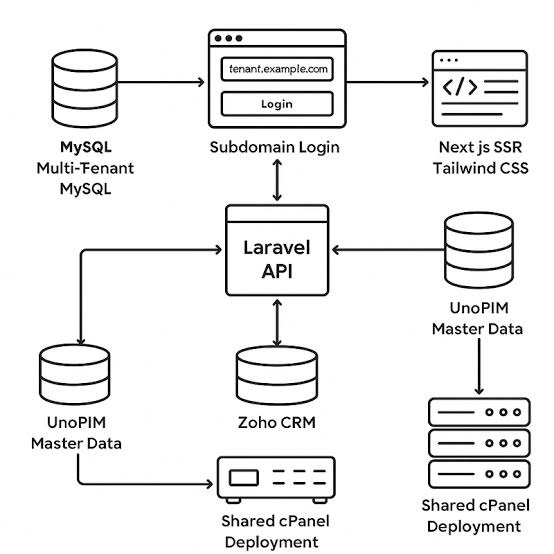
Fragmented tech stacks frequently harbor duplicate digital tools that perform identical baseline functions. Splitting daily workflows across disconnected corporate platforms, separating team documentation, project tracking, and core knowledge bases, causes immediate tool fatigue and drives up unnecessary software licensing overhead.

Pro-tip
Before adding any new microservice or subscription to your company stack, map out your existing software footprints. If a tool doesn't directly solve a problem that saves your engineers two hours of manual labor per week or directly generates a new customer pipeline, reject it. Keep your software ecosystem minimalist to prevent integration debt.
1. Hosting and Backend Infrastructure
Your backend infrastructure is the foundation of your entire application. If this layer goes offline, your business stops existing for your users. Thankfully, cloud infrastructure providers run highly competitive startup programs. You do not need to punch a credit card for heavy server costs while writing your early code.
Leverage the Startup Credit Ecosystem
Never pay retail price for cloud computing when launching in the US market. The big three providers want you locked into their systems early, so they offer incredible benefits to early-stage founders:
- AWS Activate: Gives anywhere from $5,000 to $100,000 in promotional cloud credits if you are associated with an incubator, accelerator, or venture capital firm. Even their self-funded portfolio offers smaller, accessible credits.
- Google for Startups Cloud Program: Covers up to $100,000 of your cloud costs in the first year for funded or bootstrapped entities matching their basic tech profile.
- Microsoft for Startups Founders Hub: Gives instant access to free Azure credits without requiring any outside funding or venture backing.
Frontend Deployment Engines
If you are building a modern JavaScript or TypeScript web application, running a full virtual machine is complete overkill. Use serverless frontend engines that provide massive free limits for early traffic:
- Vercel: The perfect home for Next.js web projects. The hobby tier is free, and the pro tier is incredibly affordable, offering lightning-fast global delivery networks out of the box.
- Netlify: Offers incredible automated deployment features directly linked to your GitHub repositories. It builds and serves your code changes automatically with minimal setup.
2. Customer Tracking and Marketing Automation
You cannot scale your enterprise if you have no idea who your customers are or where your leads are dropping off. But enterprise sales engagement platforms love locking basic automation paths behind steep corporate paywalls. To bypass this, you need a smart setup that keeps contact tracking separate from your message delivery tools.
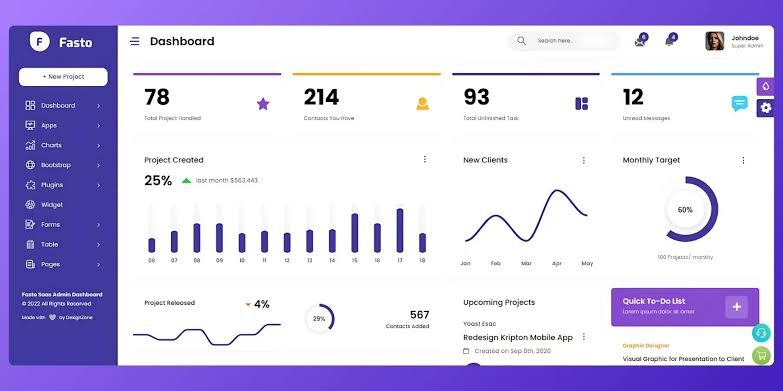
Optimizing user metrics through clean dashboard designs.
Low-Cost Growth Infrastructure
Instead of buying a massive multi-feature CRM system that forces you into a high monthly commitment, use modular alternatives. Look at how the operational costs stack up when you build a custom growth engine:
|
Tool Category |
Premium Enterprise Approach |
Budget-Optimized Alternative |
|
Customer Relationship Management |
HubSpot Enterprise (Heavy platform locking) |
HubSpot Free Tier / Folk CRM (Clean contact tracking) |
|
Outbound Email & Automation |
Salesforce Account Engagement |
Brevo / Activepieces (Usage-based automation engines) |
|
Transactional Email Delivery |
Custom internal server maintenance |
Resend / Amazon SES (Ultra-low cost per 10,000 emails) |
By using a tool like Resend or Amazon SES, you pay pennies for every 10,000 emails sent. This approach frees you from paying hefty flat-rate subscriptions to traditional email marketing tools while your customer database is still small.
3. Product Analytics and Behavioral Data
Engineering a technology infrastructure absent empirical behavioral interaction analysis creates severe operational blind spots. Product management divisions require continuous telemetry configurations detailing user friction thresholds, feature abandonment triggers, and exact lifecycle durations within onboarding workflows.
Avoid the Enterprise Data Trap
Legacy tracking software charges high rates based on the number of data points you collect. If your site gets hit by a wave of bot traffic or a sudden viral post, you could receive a massive surprise invoice at the end of the month.
- PostHog: A fantastic choice for early founders. The first one million event actions every single month are completely free. It includes product funnels, user session replays, and feature flag management in one single package.
- Mixpanel: Provides an open-access tier accommodating up to 100,000 monthly active trackable entities. The architecture delivers granular graphical representations of customer retention trajectories and complex cohort analytics, absent an independent statistical engineering data infrastructure.
4. Internal Workflows and Communication
Managing distributed engineering, design, or marketing resource pools across divergent time zones frequently introduces critical operational transparency deficits. Disjointed information architecture concerning product documentation or feature specification notes directly degrades velocity, forcing active development cycle timelines to stall completely.
Centralized Task Architecture
Keep your internal communication stack down to two main platforms. Combining your documentation tool with a cloud communication software saves thousands in software seats.
- Notion: Use this for team wikis, developer logs, meeting summaries, and product roadmaps. The free tier handles basic cross-team coordination fine, meaning you do not have to buy separate project tracking apps during early setup.
- Slack / Discord: Use the base free versions for real-time messaging. Do not upgrade to the premium tiers until you truly need deep historical search functions or complex third-party app automations.
5. Billing, Finance, and Corporate Compliance
Operating a registered US entity requires solid financial tracking. If your corporate documentation or tax tracking breaks down, you face expensive legal cleanups during future venture funding rounds or tax audits.
Automated Revenue Infrastructure
Your billing & invoicing software must automatically handle sales tax tracking, international credit cards, and instant receipt delivery.
- Stripe: The global baseline for tech startups. There are no monthly maintenance costs. You pay a percentage fee per transaction, meaning you only pay when you are actively making money from real customers.
- Loophole Prevention: Connect Stripe to a free tracking application like Beniuby or Wave Accounting Software to pull your ledger data automatically, removing the need to hire a bookkeeper on day one.
[Manual Bookkeeping Management]
Scattered receipts ➔ Manual spreadsheet inputs ➔ Calculation errors ➔ Audit fines
VS.
[Automated Transaction Architecture]
Stripe Payment Hook ➔ Auto Ledger Categorization ➔ Automated Tax Readiness Reports
Do You Know?
Close to 35% of a new startup's software runway is wasted on "ghost subscriptions." These are premium tool plans purchased by a team member for a short project or trial, then completely forgotten while the corporate credit card gets billed automatically every month.
Conclusion
Optimizing a Software-as-a-Service (SaaS) infrastructure for modern startup deployments requires discarding superficial software procurement trends. The core objective focuses strictly on maintaining a high-efficiency operational model. Strategic deployment of cloud compute incentives, rigorous capitalization on zero-cost platform tiers, and systematic integration of modular software architectures together reduce aggregate corporate infrastructure outlays below a nominal $100 monthly threshold. Protecting early-stage operational runway requires treating software curation as a fundamental corporate capital allocation priority. Maintaining a decentralized, lightweight framework ensures that liquid assets remain concentrated precisely where value generates—specifically within product iteration pipelines and customer acquisition logistics.
FAQ's
Engaging with early-stage founder networks, specifically Y Combinator Startup School, Product Hunt Founders, or Secret, provides structural access to immediate programmatic incentives and promotional allocations for leading cloud hosting infrastructure providers.
No, major software firms like Vercel and PostHog process free-tier accounts on the exact same high-speed global servers as their enterprise users.
Yes, using HubSpot's free CRM plan or custom databases on Airtable allows you to store and manage thousands of customer records for zero cost.
Only upgrade when your active database volumes cross free plan limits, or when a premium automation feature directly increases your sales team's output.
Self-hosting is highly cost-effective if you have engineering talent on hand. However, if your developers spend hours managing servers instead of writing product features, a cheap paid tool is a better investment.