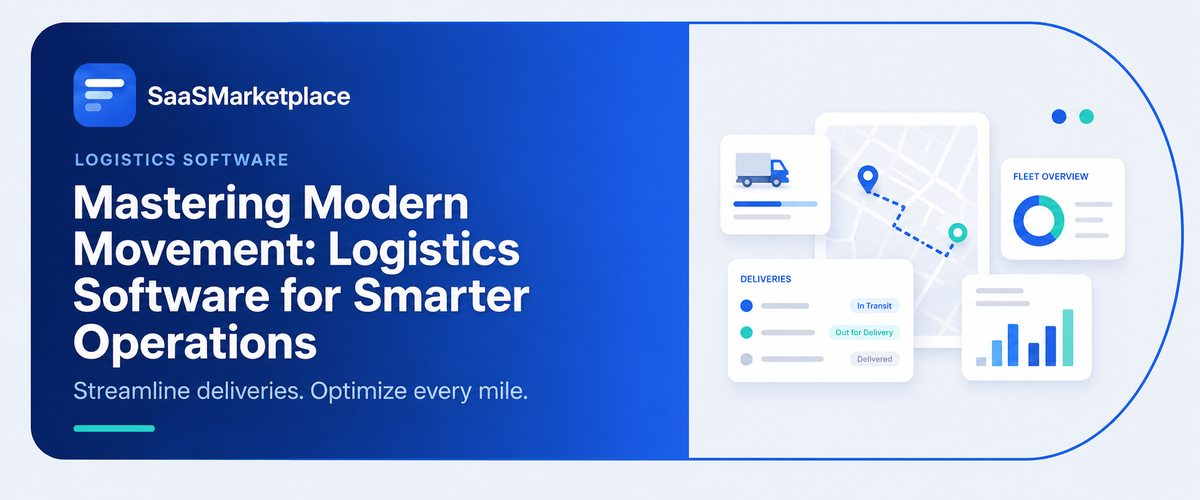
Mastering Modern Movement: Logistics Software for Smarter Operations
-min.jpg)
It takes a great deal of organization to move actual items across regional and worldwide commerce channels. Tight delivery times, changing carrier costs, complicated customs laws, and rising consumer expectations must all be balanced by companies. When product movement stops, missed shipments, wasted fuel, and lost consumer confidence cause financial damage that builds up fast.
 Looking for Logistics Software? Check out SaaSmarketplace’s List of the Best Logistics Software in USA for Your Business.
Customized logistics software combines financial settlement, inventory management, fleet routing, and order processing into one digital command center to solve these operational errors. Rather than having every team member manually update static spreadsheets or phone drivers for updates, an automated system gives them real-time insight into the movement of commodities.
What Is Logistics Software?
An operating system designed to handle the end-to-end flow of materials, components, and finished goods is modern logistics software. Dedicated logistics software coordinates live transportation movements, floor-level warehouse chores, and multi-node distribution channels, unlike general business systems that record basic accounting items.
Logistics software directly links purchasing departments, warehouse loading docks, and delivery drivers by acting as the main operational engine of your trade network. When a consignment leaves a distribution center, the system automatically streamlines stock management by updating inventory numbers, alerting the recipient, and producing transportation documentation. This systematic method preserves operating margins, accelerates order cycles, and eliminates human error.
Do You Know?
Within the first six months of implementation, businesses using real-time freight monitoring and automatic route scheduling lower overall gasoline consumption by around 12% to 18%. Smart routing helps to minimize overall car emissions and helps to save running expenses.
The Operational Limits of Disconnected Systems
Growing shipping companies sometimes begin with basic spreadsheets and different freight portals. But these disconnected systems cause serious slowdowns in everyday processes as order volumes grow and supply chain networks spread.
|
Operational Area |
Legacy / Manual Process |
Dedicated Logistics Software |
|
Fleet Coordination |
Phone calls and static driver schedules |
Live GPS tracking and dynamic route adjustments |
|
Stock Tracking |
Batch physical counts once a week |
Real-time scan updates at every transfer point |
|
Freight Billing |
Manual invoice matching and paper receipts |
Automated rate audits and instant digital invoices |
|
Partner Communication |
Fragmented email chains |
Centralized status portals for suppliers and carriers |
Relying on manual workarounds forces your staff to spend their shifts putting out operational fires. Switching to dedicated logistics software removes these daily friction points, giving your business a clean foundation to scale shipping volumes cleanly.
Core Capabilities of Enterprise Logistics Platforms
Selecting the right platform comes down to identifying tools that save your staff time and protect your profit margins across daily operations.
1. Centralized Inventory Control
Accurate stock management stops unexpected out-of-stock events and prevents excess warehouse clutter. Advanced logistics software provides live visibility across every stock location, whether goods rest in a central depot, an overflow lot, or a transit vehicle. Integrating dynamic inventory management capabilities guarantees that your team knows precisely what stock is available to sell, where it sits, and when to reorder stock before shortages hit.
2. Smart Warehouse Operations
Floor-level speed determines how fast customer orders move out the door. Modern platforms connect directly with warehouse management modules to streamline picking routes, manage put-away rules, and direct packing lines. Automated pick lists cut down unnecessary floor walking, allowing workers to pack and ship more orders per hour without sacrificing accuracy.
3. Integrated Freight and Distribution Management
Cost-effective freight movement calls for striking a balance among fuel expenditures, carrier capacities, and transit speeds. Dedicated logistics software automatically creates compliance paperwork, assigns shipments to the best routes, and compares carrier costs side by side using strong distribution management elements.
4. Dynamic Route Optimization Strategies
Static delivery routes waste driver hours and consume expensive fuel. Smart route optimization systems used now consider vehicle weight limits, drop-off priorities, delivery time windows, and real-time traffic patterns. Directly on mobile devices, drivers receive the best route sequences that help them to complete more deliveries each shift and utilize less gasoline.
5. Automated Financial Invoicing and Auditing
Freight billing errors are notoriously common across large transport networks. Integrated billing and invoicing capabilities automatically match carrier bills against the initial freight estimates. Before payment releases, the program flags unanticipated fuel surcharges or detention penalties, therefore safeguarding your bottom line against covert administrative leakage.
Unifying Supply Chain Management and Logistics
Long-term success depends on alignment with more general corporate objectives across the whole network, even if travel execution drives product movement.
Connecting Procurement and Fulfillment
A strong company plan rests on perfect coordination among every supplier connection. Robust supply chain management software helps procurement departments to see supplier lead times, port delays, and production plans clearly. Connecting these big-picture observations straight to your logistics program guarantees your warehouses get ready ahead of time for incoming freight, therefore preventing traffic at the receiving docks.
Managing Specialized Fulfillment Channels
Many fulfillment networks have had to change to direct-to-consumer models because of changes in e-commerce. Integrated drop shipping management capabilities pass orders to outside supplier hubs instantly for companies using third-party suppliers, therefore maintaining complete visibility of shipments. This capability allows companies to expand product catalogs without tying up capital in extra warehouse storage.
Strategic Advantages of Upgrading Your Technology
Investing in enterprise logistics software pays off right away, measurably across your whole operations setup:
- Faster Order Fulfillment: Faster departure of shipments from the warehouse is made possible by automated order processing and picking instructions.
- Lower Transport Costs: Smart carrier selection and route optimization help to cut overall freight costs for every unit moved.
- End-to-End Freight Tracking Control: Reduces the support call volume by constantly updating consumers on delivery progress.
- Reduced Administrative Overhead: Automated document production eliminates manual retyping, therefore lowering Administrative Overhead. This saves every day administrative staff hours.
- Clear Operational Oversight: Full executive dashboards present data on delivery costs, warehouse throughput, and carrier performance in an easy-to-read style.
Real-World Impact on Fleet and Freight Management
Handling hundreds of unforeseen factors daily, from vehicle breakdowns to unforeseen traffic delays, helps one to manage a busy fleet of transportation. Using specialized logistics management systems gives dispatch teams the real-time visibility they have to make quick, wise decisions under stress.
When dispatchers receive instant notifications about transit issues, they can re-route vehicles or notify receiving facilities immediately. This degree of openness shields customer connections and avoids pricy detention charges at busy loading docks.
Moreover, including maintenance tracking into your logistics software guarantees that delivery vehicles get routine servicing before unanticipated failures arise on the road. Regular maintenance helps to control monthly running expenses and increases fleet life.
Step-by-Step System Selection and Rollout
Upgrading your core operations requires structured planning to ensure business stays active during implementation.
- Audit Existing Workflows: Record your current intake, storage, transportation, and payment processes to bring forth obvious bottlenecks and discomfort areas.
- Check Integration Options: See to it that your possible platform links simply with your active ERP, hardware scanners, and e-commerce sales channels.
- Involve Operational Staff Early: Early participation of operational staff, such as floor managers, dispatchers, and drivers, in platform testing can aid to instill trust and assure user acceptance.
- Define Clear Implementation Milestones: Start inventory management before moving to automatic route dispatching and phase in software modules.
- Strong Technical Support: Work with a software company that is recognized for fast incident response, thorough technical material, and ongoing onboarding assistance.
The right platform provides your company the agility required to negotiate changes in worldwide freight, reduce operational expenses, and maintain on-time consumer deliveries.

Pro-tip
When setting up your platform, take time to configure automated alerts for transit delays and inventory threshold limits. Setting up automatic alerts allows dispatchers to fix delivery issues before the customer ever notices a problem.
Practical Checklist: What to Look For in Logistics Software
When exploring logistics software, focus on outcomes, not feature lists.
1) Inventory Accuracy
Can the system update stock reliably after receipts and shipments?
Does it support clear inventory states and locations?
2) Warehouse Workflow Control
Does warehouse management reflect how your team works?
Can you define picking and packing rules that reduce errors?
3) Distribution Readiness
Does distribution management connect packing to shipping release?
Are delivery tracking updates consistent?
4) Reliable Billing And Invoicing
Does the system map operational activity to charges cleanly?
Are invoices traceable to shipped quantities and services?
5) Drop Shipping Management Support (If Applicable)
Can it help track supplier fulfillment progress?
Does it manage order routing and return workflows clearly?
A strong system should reduce “manual correction time.” If your team spends most of the day fixing records, your logistics foundation is shaky.
Conclusion
Resilient supply chain development calls for breaking from fragmented communication channels and manual tracking spreadsheets. Dedicated logistics software helps control inventory, simplify warehouse chores, and maximize delivery routes by giving the visibility and automatic control needed. Businesses guard their profit margins, lower needless shipping expenses, and guarantee consistent on-time deliveries by creating a single source of operational truth. Investing in modern logistics technology turns everyday transportation activities into a clear, competitive engine of development.
FAQ's
To maximize product movement, it combines inventory management, freight billing, warehouse layout, and transportation planning into one system.
While more general supply chain solutions manage long-term planning, sourcing, and demand forecasting, logistics software aims straight at carrying out warehouse and transportation activities.
Yes, contemporary solutions link flawlessly with RFID readers, barcode scanners, mobile driver terminals, and automatic label printers.
It calculates the shortest, fastest delivery paths based on traffic conditions and vehicle constraints, cutting fuel burn and driver overtime hours.
Yes, cloud platforms provide secure, real-time data access across multiple warehouses, transport hubs, and mobile devices simultaneously.