Why Modern Organizations Rely on Video Conferencing Software
-min.jpg)
Work in the United States today differs totally from ten years ago. Recall when everyone headed to the same actual location to sit in a glass conference room. Most gone are those days. Today, teams live across different states, time zones, and kitchen tables. Because of this massive shift, company leaders face a simple question: what tools actually keep a distributed team running smoothly?
The short answer is reliable video conferencing software. It stopped being a nice-to-have perk a long time ago. Today, it is core digital infrastructure. Companies use these platforms daily to run team huddles, pitch prospective buyers, and keep company culture alive. Let’s look at why video conferencing software has become the central pillar of modern business operations.
What is Video Conferencing?
Phone calls and email used to run the corporate world. They still have their place, sure. But sending emails back and forth creates friction, and audio calls miss something critical: human facial expressions.
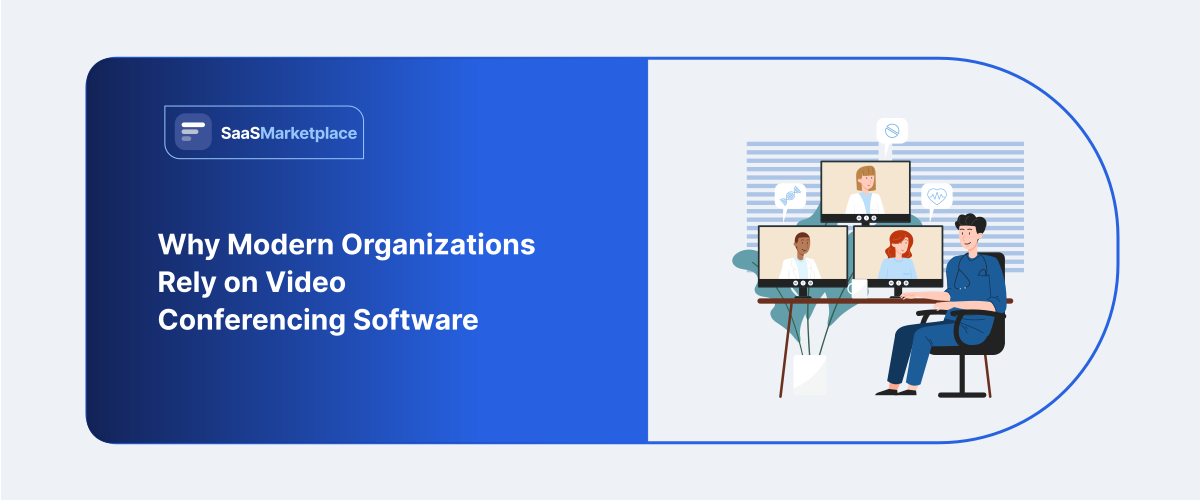
When you move your team to a dedicated virtual meeting platform, the dynamic changes fast. People actually see each other. You spot a confused look before a project goes off the rails. You catch a smile when a client likes a proposal.
That is why real-time video communication works so well. It builds trust faster than a chain of fifty unread emails ever could. Whether you are walking through a quarterly budget or employee onboarding, seeing faces keeps everyone locked into the conversation.
Do You Know?
Remote workers who use video conferencing tools report that their daily work satisfaction increases by more than 84%. Remote employees who watch their coworkers on screens develop a sense of team membership which helps them fight against workplace isolation.
Why Companies Spend Money on Video Conferencing Tools
Why are executive teams investing so heavily in these platforms? It comes down to four practical operational benefits.
1. True Flexibility for Distributed Teams
Good employees want flexibility. If you want to hire top talent today, offering remote or hybrid options is almost mandatory. Using a solid virtual meeting platform makes remote setups actually work. Managers run morning check-ins and review weekly goals without needing everyone in the same zip code.
2. Decrease in Travel Costs
Flying representatives across the nation for a one-hour pitch quickly costs a lot. Travel drains company finances mostly via flights, accommodations, and meals between journeys. Contemporary video conferencing solutions enable your team right away to sit across from clients all around. You save thousands of dollars while closing deals in half the time.
3. Quick Decision
Ever had a project freeze because key people could not meet in person? Weeks of waiting for conference room access saps momentum. Moving to cloud-based conferences helps teams to quickly hold ten-minute huddles to address problems right away.
4. Clearer Presentations Without the Confusion
Try explaining a complex spreadsheet over a standard phone call. It is painful. Built-in screen-sharing tools let presenters immediately show up live papers, slide decks, or product demos. Everyone considers the precise same line item at the same second.
Phone Systems vs. Modern Video Solutions
Here is how legacy office phones stack up against today’s video tools:
|
What You Need |
Old-School Phone Setup |
Modern Video Conferencing Software |
|
Visual Connection |
Voice only; zero body language or non-verbal signals. |
Crisp HD video where you see every reaction. |
|
Document Sharing |
Hard. You have to email PDFs beforehand and hope people follow along. |
Instant screen sharing capabilities right inside the call. |
|
Workplace Setup |
Tied to a plastic desk phone sitting in a physical office. |
Designed for hybrid workforce collaboration from anywhere. |
|
Data Protection |
Standard phone line security. |
Bank-grade end-to-end encryption for private data. |
|
Tool Integration |
Isolated from your other work software. |
Part of a connected unified communications hub. |
Why Companies Are Adopting Video Conference Software
Two major operational trends are pushing American companies to upgrade their communications stack right now.
Keeping Hybrid Teams Connected
Hybrid work can become complicated if not managed properly. Remote employees frequently feel excluded when judgments arise in unplanned corridor meetings.
Reliable video conferencing software helps close this gap. Every participant in on-screen sessions is in the same virtual space. Everyone has the same chat box, same airtime, and same opportunity to speak up. It keeps hybrid workforce collaboration fair and transparent.
Cleaning Up Software Clutter
Nobody wants six different programs running only to communicate with coworkers. Changing between a calendar app, a phone app, a video app, and a chat app depletes staff members.
That is why smart IT leaders favor unified communications setups. One location lets them mix video calls, calendar planning, and text chat. Starting a meeting only takes one click when your video conferencing application connects straight with your team calendar.
Protecting Your Meetings from Data Leaks
You cannot treat company meetings lightly. Executive boards discuss financial updates, product blueprints, and client data on video calls every day. Security matters.
Your IT team needs to review Enterprise video collaboration solutions for these essential security requirements:
- The system protects your video content through end-to-end encryption, which stops unauthorized users from accessing your calls.
- The meeting leader can use Host Controls to lock rooms and mute disruptive microphones and to place guests into a virtual waiting area before they join the main session.
- The software achieves Regulatory Compliance through its ability to follow all relevant rules, which include HIPAA standards for patient privacy and SOC 2 requirements for financial data security.
- The Local Data Storage Controls feature enables administrators to decide where call recordings and transcripts should be stored for compliance with local legal obligations.
Never deploy video conferencing software across your organization until these protections are active.
The Cloud-Based Video Conferencing Systems
Remember those old video rooms with rack-mounted servers in the basement? They cost a fortune, broke down constantly, and required an IT degree to run.
Moving to cloud-based conferencing changed the game completely. The cloud handles all the heavy lifting on remote servers, offering distinct advantages:
- Easy Upgrades: You may include ten thousand or ten more team members free of hardware purchase.
- Zero Upkeep Maintenance: Automatic background updates and network security updates let you concentrate on your work.
- Works on Any Device: Join from your phone, a tablet, or a laptop while you're getting coffee.
- Smooth Playback: Cloud networks automatically change video quality should your home Wi-Fi stumble, therefore preventing calls from dropping.
Cloud platforms cut upfront capital costs while giving your business room to grow effortlessly.
Driving Sales and Client Growth
Internal team chats are great, but real-time video communication also directly impacts your top line.
First impressions stick. When a sales pitch starts on time, has clean audio, and runs a polished presentation using screen sharing capabilities, buyers notice. It makes your firm look professional, sharp, and trustworthy.
Plus, taking advantage of modern video conferencing software expands your sales engagement and radius. Without booking a single flight, an Ohio-based boutique firm may present and win enterprise clients in California. Quick monthly video check-ins by account managers help to maintain strong client retention.

Pro-tip
Want better video meeting productivity? Cap default meetings at 25 minutes instead of half an hour. That 5-minute buffer gives your team a breather before their next task. Also, mandate agendas before anyone hits the schedule button. No agenda, no meeting.
How to Boost Productivity Through Video Conferencing
Too many badly run meetings can exhaust your employees. Though you have to utilize them deliberately, video tools are rather strong.
Set basic guidelines all across your business to preserve your video meeting effectiveness:
- Have a Clear Purpose: Every meeting needs an actionable goal. If a quick message answers the question, skip the meeting entirely.
- Trim the Guest List: Only invite people who need to make the decision. Send a recording to everyone else later.
- Use Interactive Features: During large town halls, use interactive elements like short polls, digital whiteboards, and text conversation to maintain interest.
- Record for Async Work: Use cloud recording so team members in distant time zones can watch the recap on their own schedule.
Treating meeting time with respect keeps employees focused on real work instead of sitting through endless calls.
Staying Connected Across Distributed Workforces
When individuals work from home, culture does not develop accidentally. People lose out on informal social contacts that help to create workplace planning and connections without an office watercooler.
Smart companies leverage video conferencing software to fill that social gap. They run virtual coffee hours, host monthly team wins sessions, and conduct interactive onboarding programs on screen.
Keeping high remote workforce connectivity reminds people they belong to a shared mission. Seeing teammates regularly builds trust, boosts morale, and stops remote workers from feeling like isolated contractors.
Conclusion
Consider the plan for the following three years for your company. For now, simple phone calls could suffice if your team is cooped up in one room and never talks to outside customers. Good video conferencing software becomes essential for businesses which operate multiple office locations and serve remote employees and customers based in different states. The platform supports hybrid work team collaboration while it reduces travel expenses and protects confidential communication and enables employees to work from anywhere.
FAQ's
Most modern businesses use it in some form, but the right plan depends on actual meeting frequency.
Meeting fatigue is consistently reported as a bigger issue than the tool itself.
Check a ninety-day usage report against your current plan's participant and feature limits.
For occasional calls, free tiers of video conferencing tools often cover basic needs well.
Not always, since customer-facing webinars often need features internal check-ins do not.